Build a Charging Setup That Fits Your Devices
Most people don't need one charger — they need a small system. Your phone, laptop, tablet, earbuds, and travel accessories all have different power needs, and the right combination of a wall charger, a power bank, and a few good cables will keep everything topped up without a tangle of mismatched adapters. This guide walks through the categories that matter, in the order you should think about them.
Step 1: Start With Your Devices
Before buying anything, make a quick list. How many USB-C devices do you charge at once? Does your laptop need 65W or more? Do you still carry anything with a Lightning port? Once you know the answers, you can match wattage and port count instead of guessing.
- Phone and earbuds: 20W–45W is plenty for fast charging.
- Tablet: 30W–45W keeps charge times reasonable.
- Laptop: 65W–140W depending on the model.
- Travel kit: compact, multi-port, and ideally foldable.
Step 2: Choose a Wall Charger
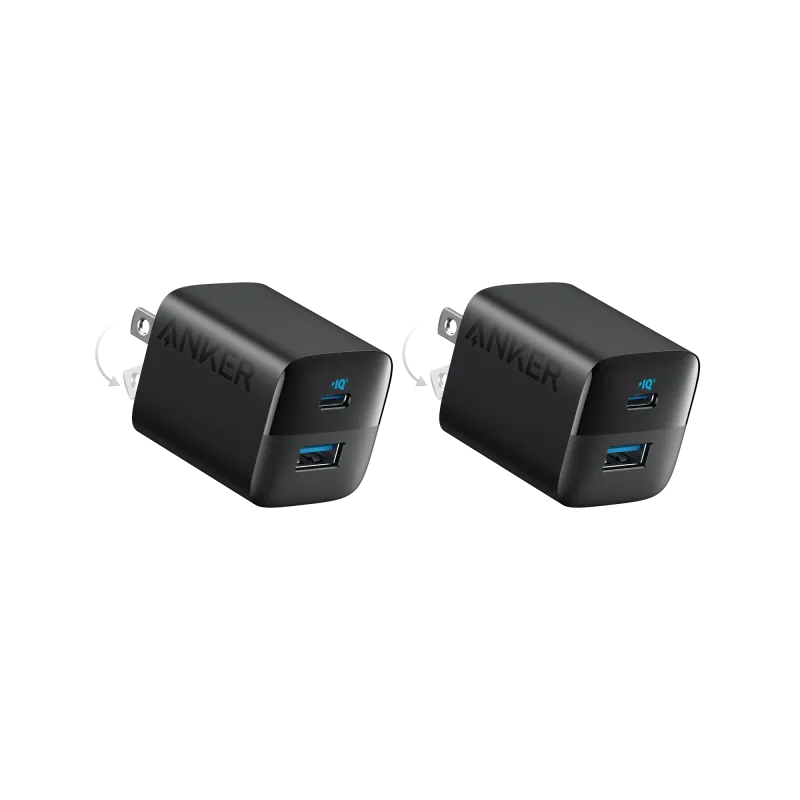
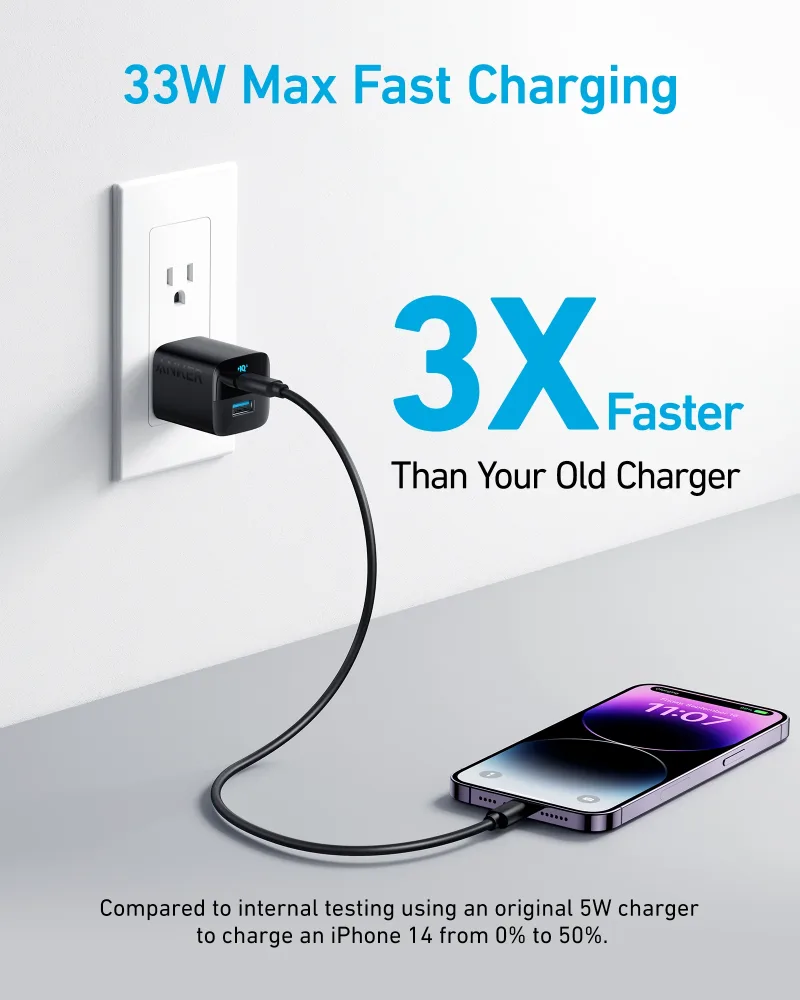
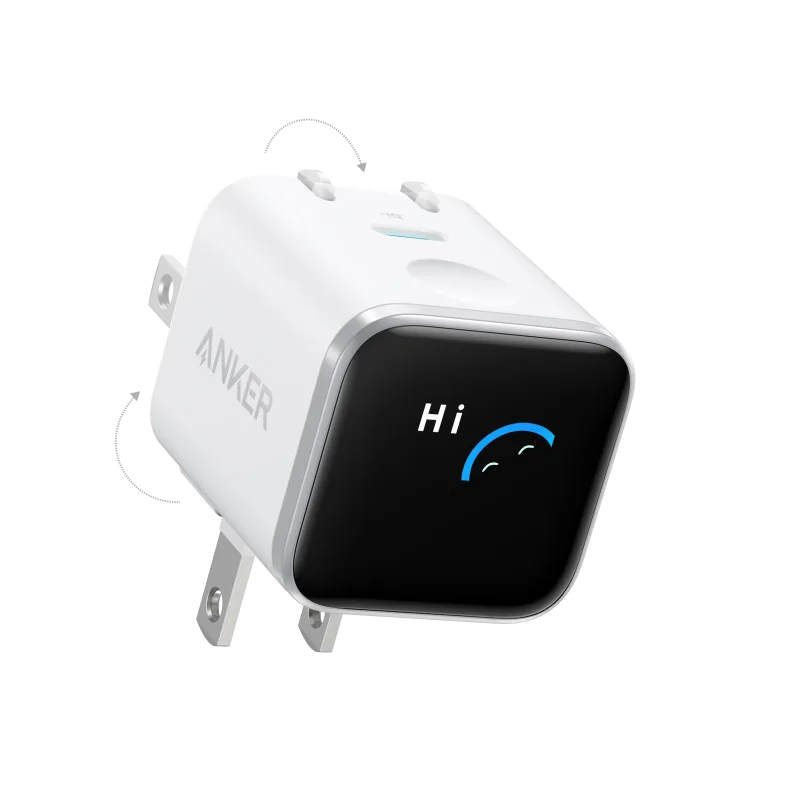
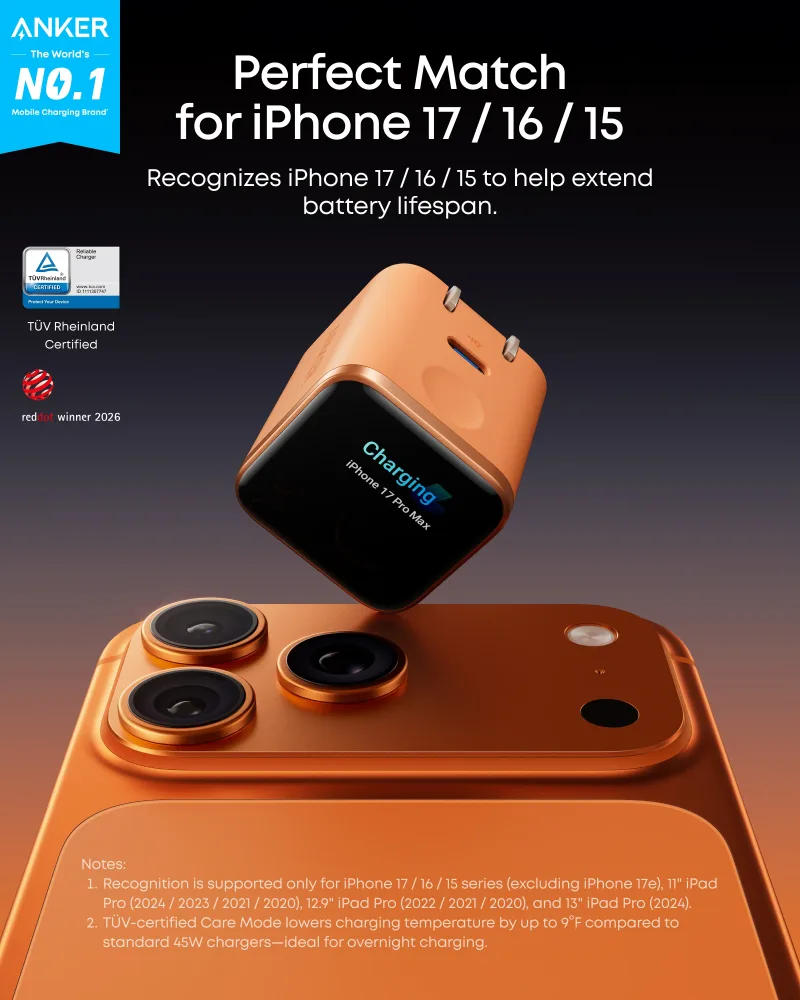
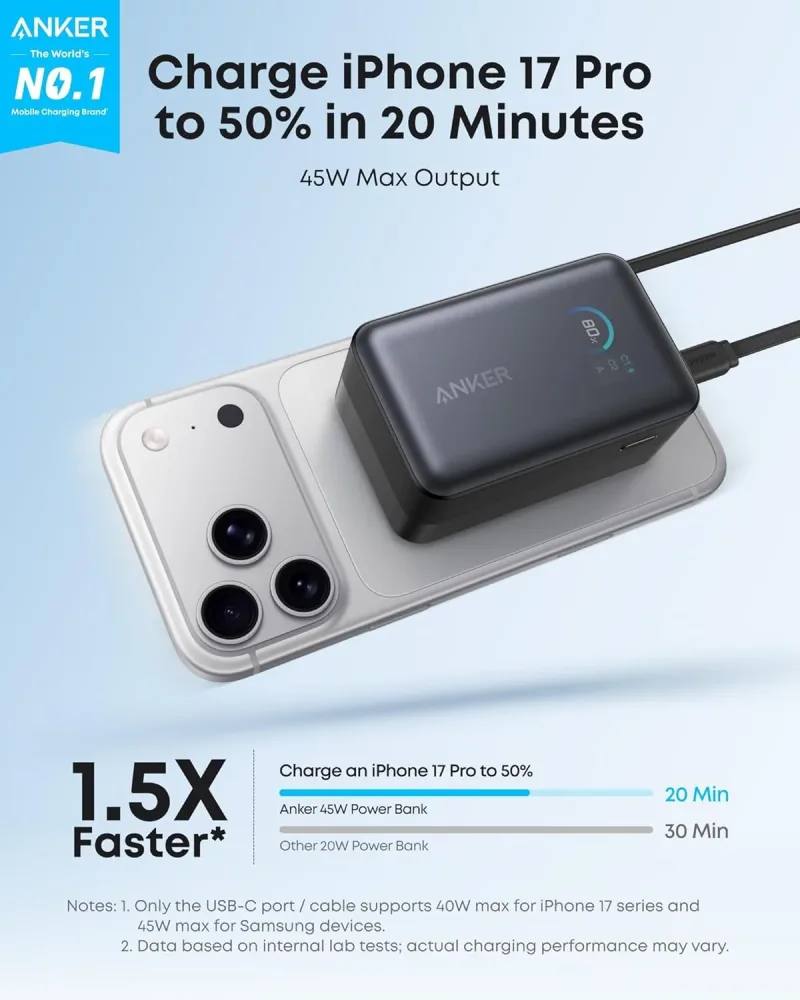
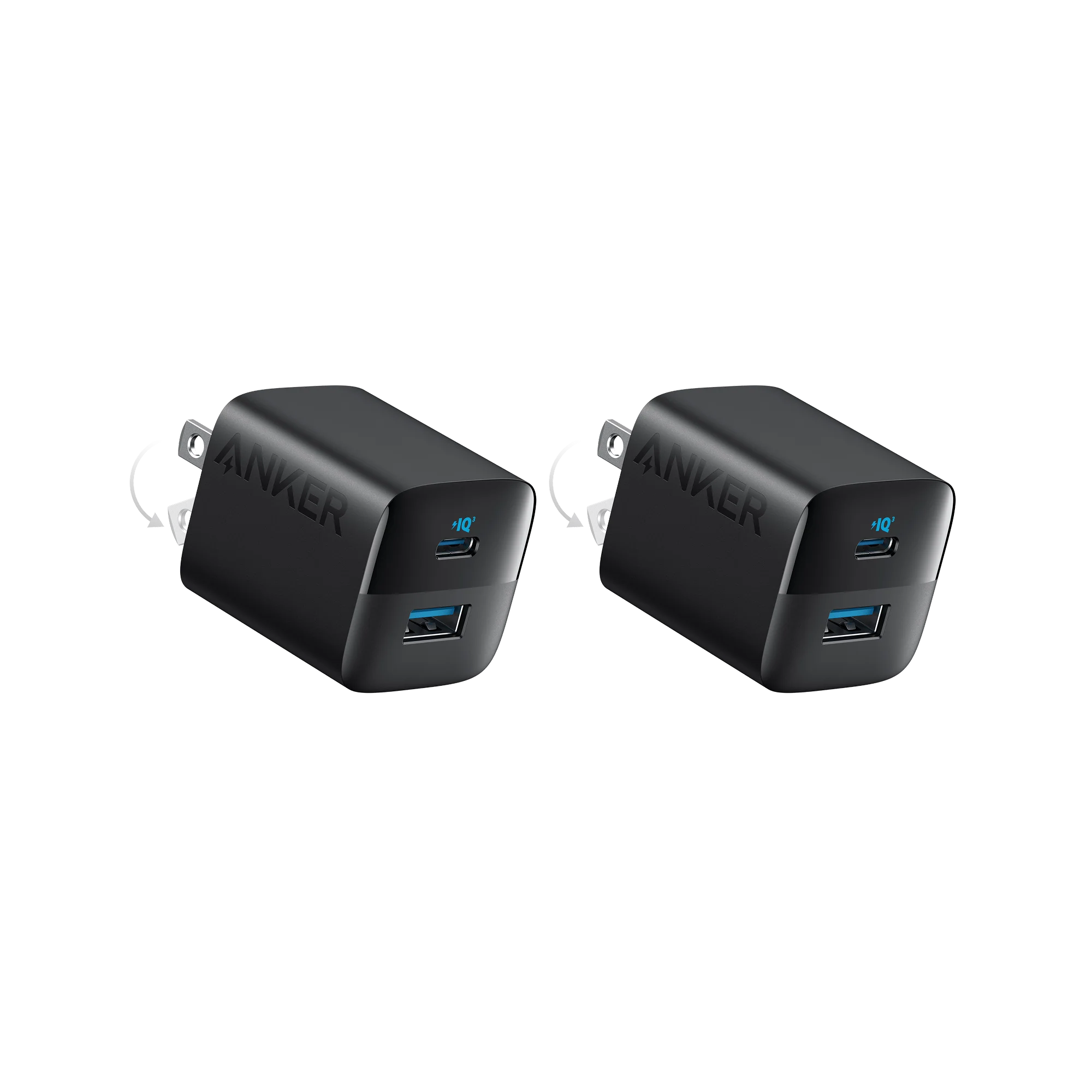
Your wall charger is the workhorse of the setup. For a single phone, a compact 30W–33W block is ideal, and multi-packs let you keep one at home and one in a bag. The Anker 323 Charger (33W)-2 Pack covers that everyday role nicely, while the Anker Nano Charger (45W, Smart Display, 180° Foldable) adds a display and folding prongs for travel-friendly convenience.
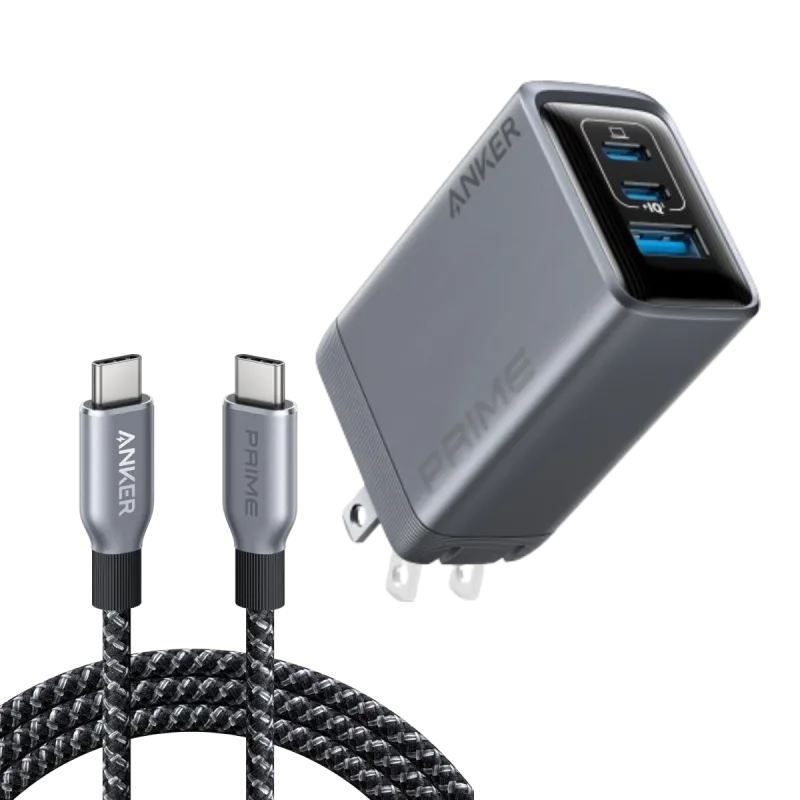
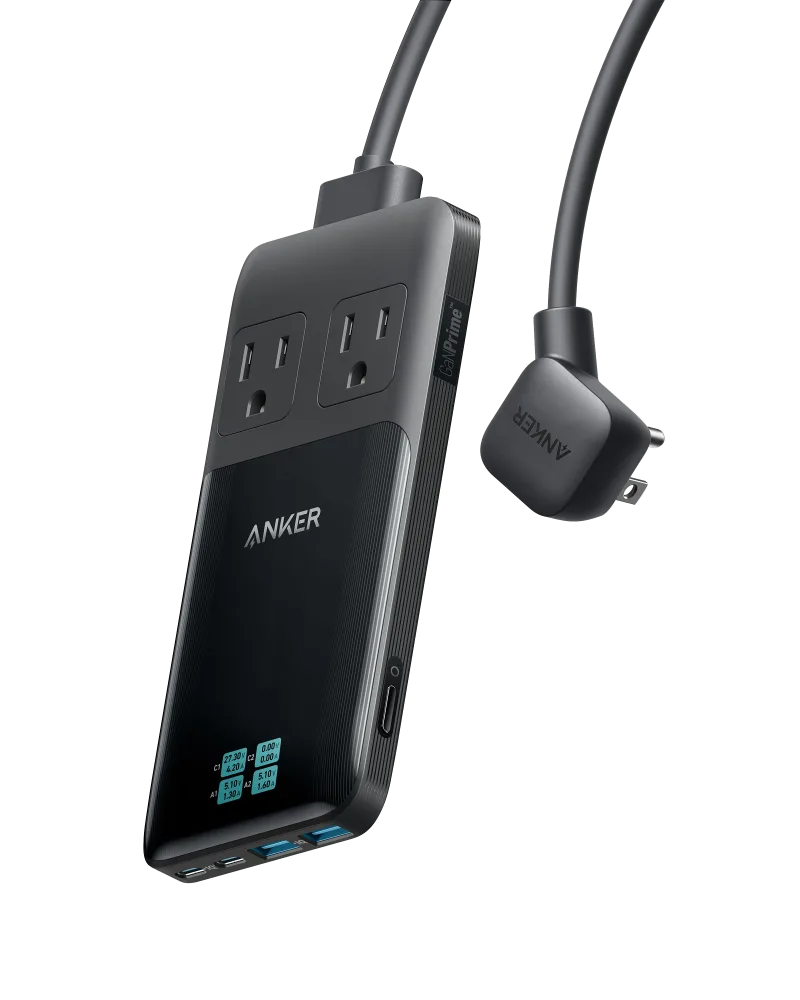
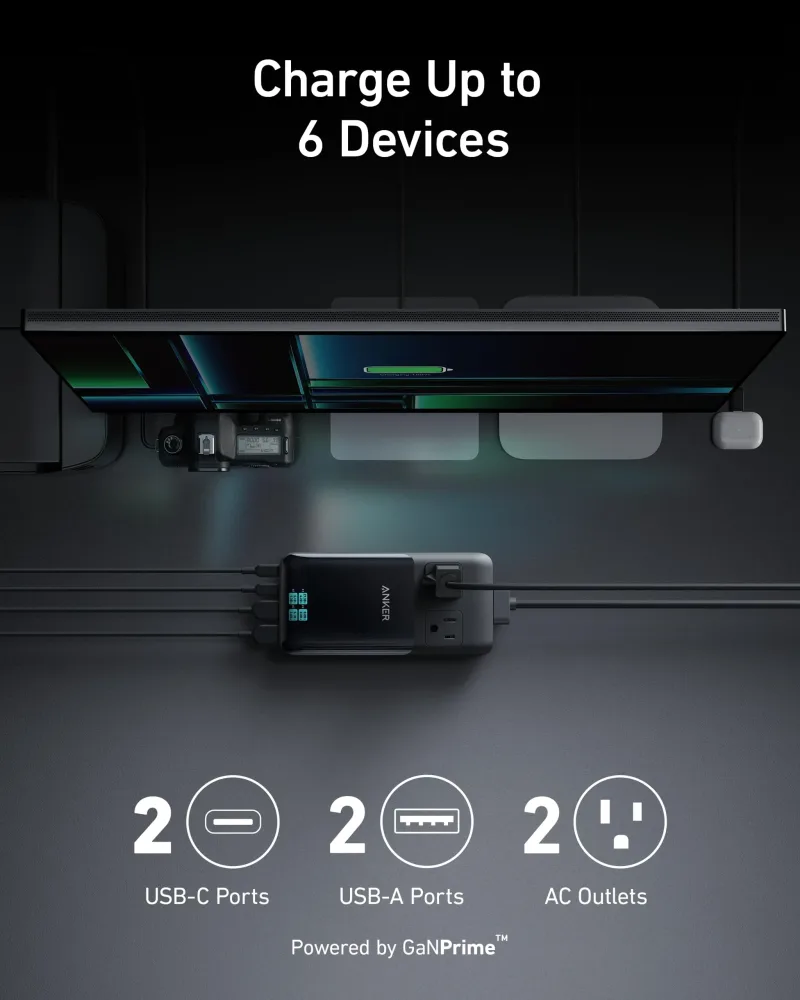
If you're powering a laptop alongside a phone, step up to a multi-port GaN model. The Anker Prime Charger (100W, 3 Ports, GaN) bundle handles a laptop, tablet, and phone from one outlet and includes a high-wattage cable. For desk setups, the Anker Prime 6-in-1 Charging Station (140W) consolidates everything into a single footprint.
Step 3: Add Power for the Road
A power bank is what keeps your phone alive through a long day out. Capacity and wattage are the two numbers to watch: 5K–10K is pocketable, while 20K and above is better for laptops and weekend trips.
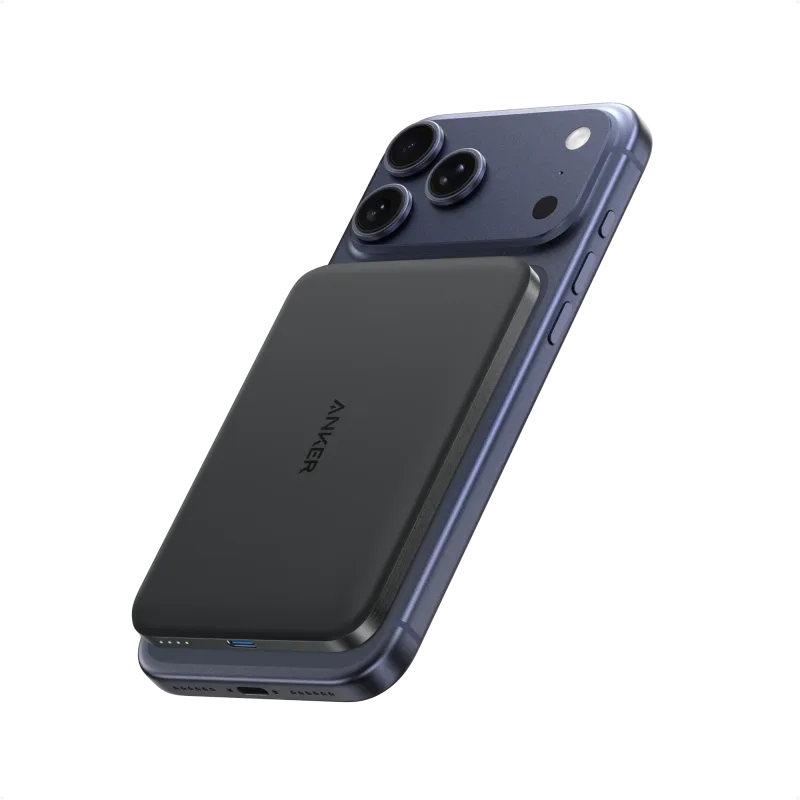
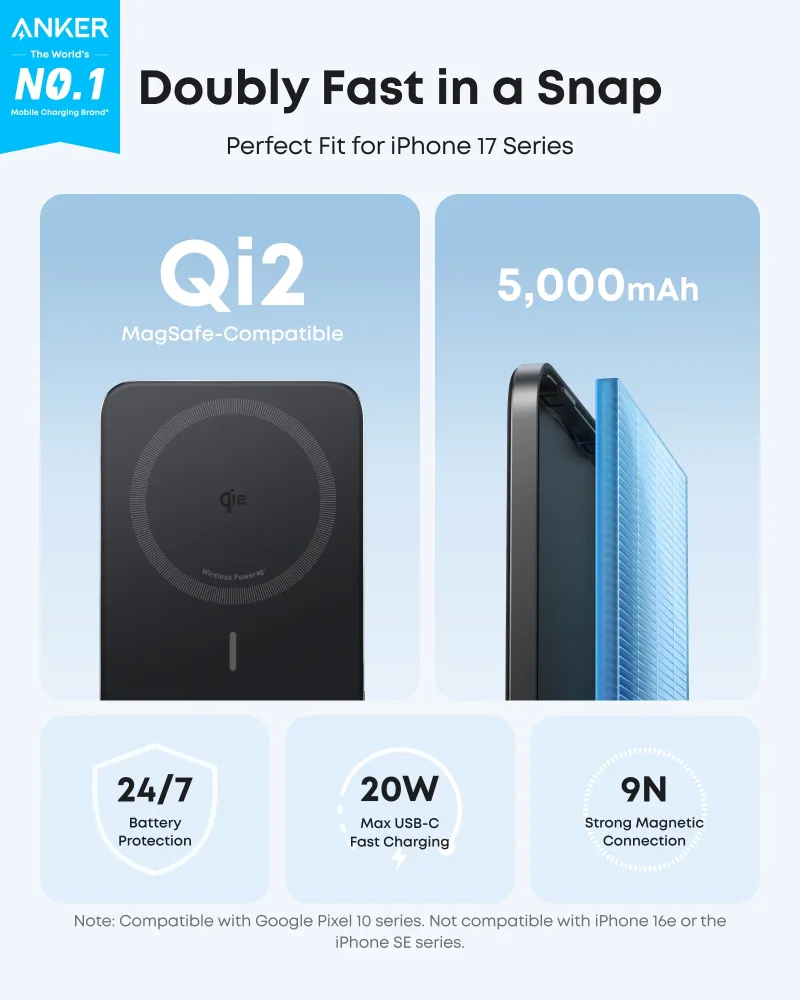
- Everyday carry: the Anker Nano Power Bank (5K, MagGo, Slim) snaps to a compatible phone and disappears into a pocket.
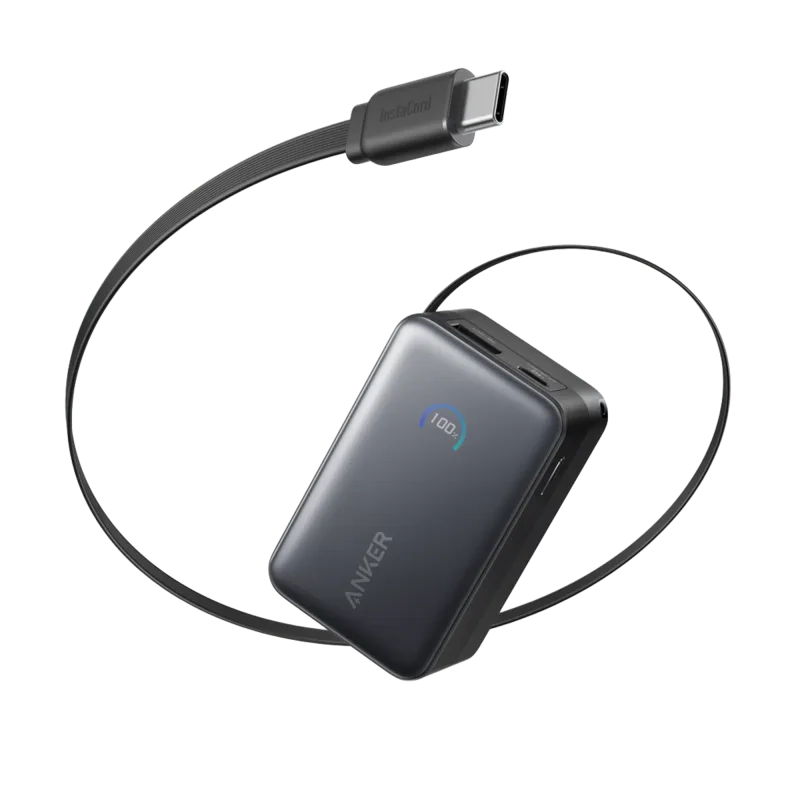
- Work and travel: the Anker Nano Power Bank (10K, 45W, Built-In Retractable USB-C Cable) removes the need to pack a separate cord.
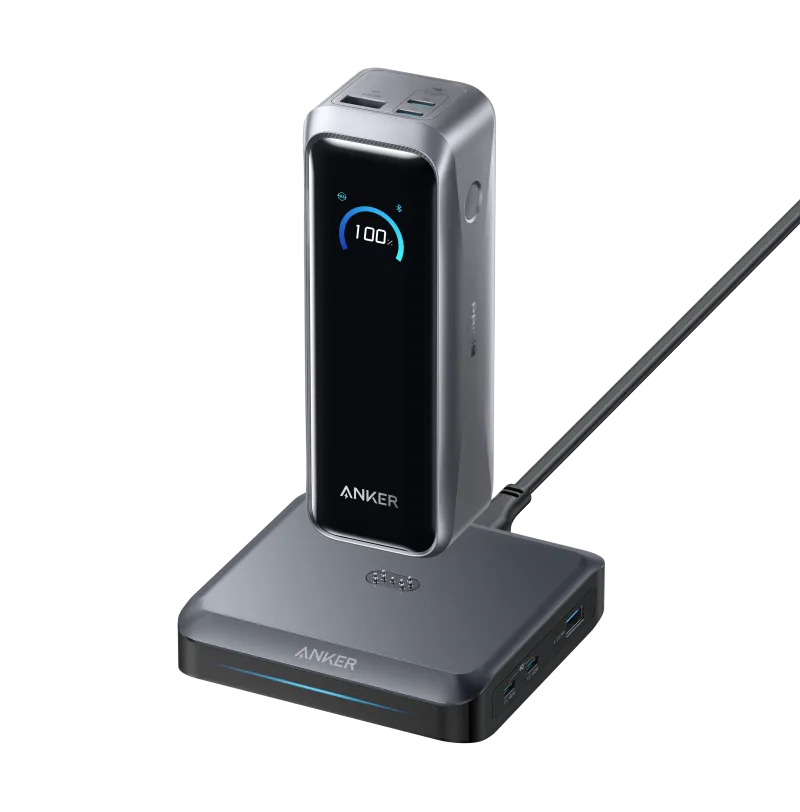
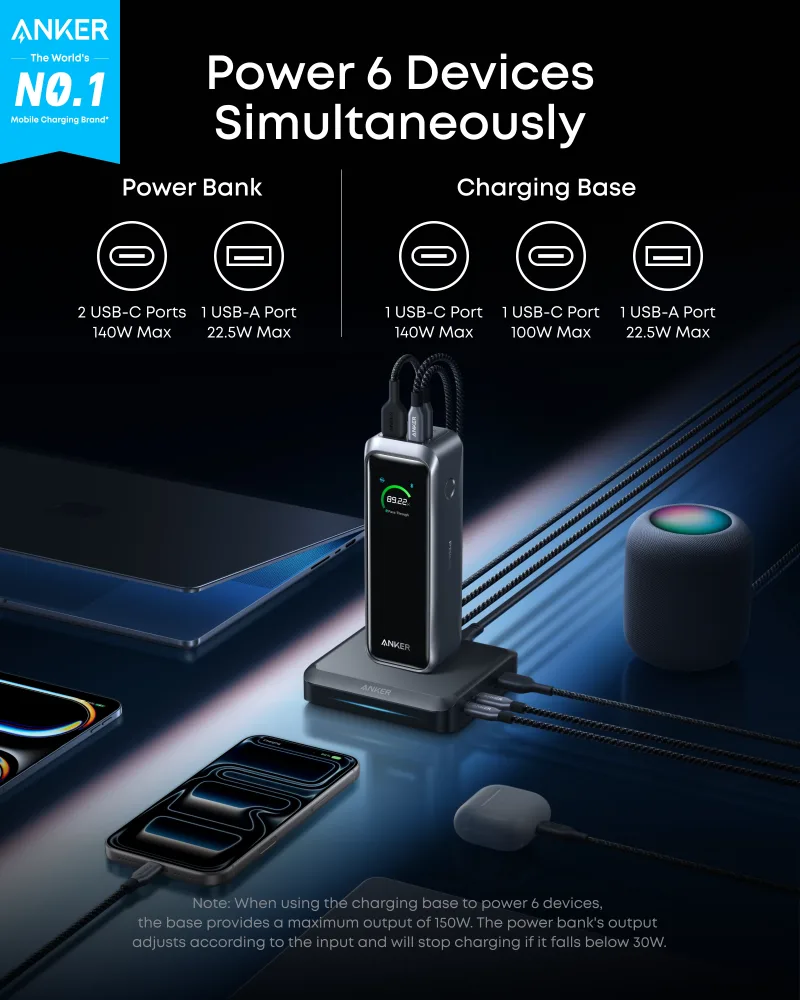
- Laptop-class output: the Anker Prime Power Bank (20K, 220W) with Charging Base delivers enough power for demanding devices.
Step 4: Don't Overlook Cables and Connectivity
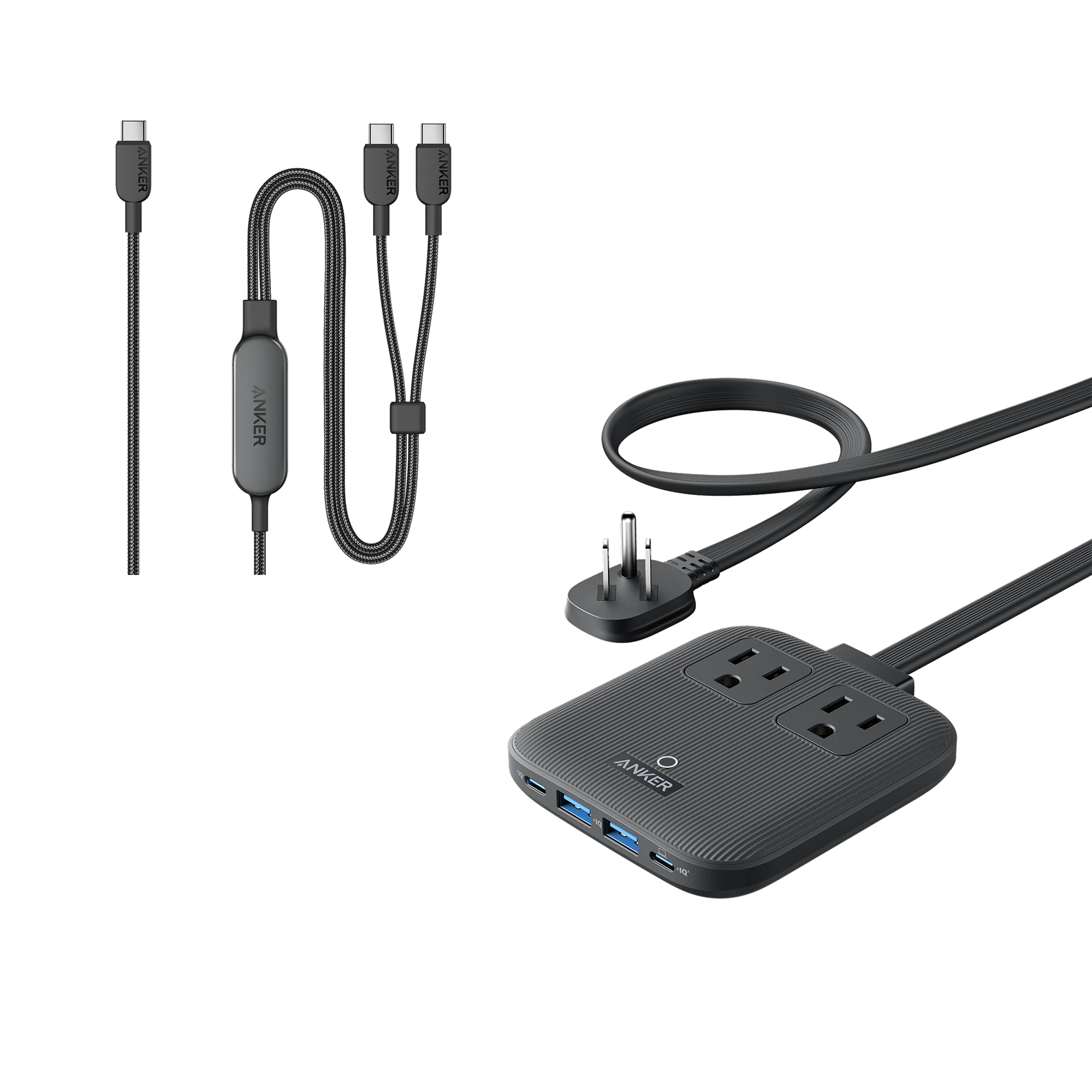
Cables are the most common bottleneck. A 100W charger paired with a low-rated cable will still charge slowly, so match your cable to your charger's output. For USB-C devices, look for a 240W-rated option, and for older iPhones keep a USB-C to Lightning cable on hand. If you work from a laptop without an Ethernet port, a USB-C to Gigabit Ethernet adapter is a small addition that makes hotel and office Wi-Fi far more reliable.
Step 5: Desk and Travel Extras
Once the basics are covered, a few accessories make daily life easier. A docking station turns a single laptop port into displays, USB-A, Ethernet, and card readers — ideal if you move between a desk and a meeting room. A wireless charging stand keeps your phone visible and topped up during the workday, and a car charger covers the commute.
A practical starting point is to buy one strong wall charger, one power bank sized to your longest day, and two quality cables. From there, add accessories only when a real gap appears. That approach keeps your kit light, reliable, and easy to replace piece by piece.